Sunday, December 6, 2009

Advocacy Project: Letter to Public Official

Danielle Wall
2824 Branch St.
Duluth, MN 55812
December 5, 2009
wall0743@d.umn.edu
___________________________________________________________________________________________

Al Franken
United States Senate
320 Hart Senate Office Building
Washington, D.C. 20510-2304


Dear Senator Franken:
I am writing to ask you to support Bill S.1269, titled:  A bill to provide for enhanced foodborne illness surveillance and food safety capacity, to establish regional food safety centers of excellence, and for other purposes. I am a fourth year student at the University of Minnesota Duluth majoring in Community Health. I did a summer internship at Kandiyohi County Public Health, and I believe that this bill could greatly assist public health facilities.

The purpose of this bill is to help out existing public health facilities as well as establish regional food safety centers.  It proposes enhanced foodborne illness surveillance which is critical in recent times where we have seen huge E. Coli and Salmonella outbreaks. For example, the Salmonella outbreak found in spinach in 2007 forced the recall of 8,000 cartons of spinach, as well as the recall of certain types of peanut butter in 2009 both showed a gap in our food safety system. Bill 1269 would allow for better surveillance to help prevent these types of happenings.


I think that this is an important bill. It will benefit not only consumers by assuring safer production of food products, but it will also benefit the already overwhelmed public health workers. Opening more safety centers will provide more jobs to public health workers while relieving some of the burden on current public health employees.


Thank you for your support.
Sincerely,


Danielle Wall

Thursday, December 3, 2009

Reflections: week 11 and 12

The past two weeks have gone by extremely fast! It seems like just yesterday I was posting my last reflection...I can't believe there are only 2 weeks of class left! wow. The past two weeks also proved to be challenging for my SMART goal, but I did my best! I also finished my Read'n Seed book and found the last couple chapters to be very intriguing!


Week 11 started with an environmental literacy activity where we got into groups and tried defining environmental literacy in our own words.We then did an intro to junking project where we were asked to come up with different  uses for random pieces of junk which we had no idea what they originally were used for. Some groups came up with some very interesting things! My favorite piece of junk was this random wire-y thing with a wood stand that we decided would make a good spice rack!


The Ultimate Steampunk ComputerWeek 12 introduced us to blog hopping...which panned out to be very useful for showing each other our photo essays! The essays turned out really well, I enjoyed seeing everyone else's pictures and really learned some neat ideas from other people. We also talked about communicating with decision makers and how we would write a letter to an editor or policy maker. This was also pretty helpful because our next advocacy assignment will involve writing to an editor about our issue.


Pictured at right is what is called STEAMPUNK!! The junking project reminded me of this because it actually is a type of junking. If you have not heard of it, check it out. The people that create this art are genius's. They take old antique appliances, and put in the parts that make them run, they basically resurface, refurbish and rebuild modern day things that we use and make them look like they're from the 1800's. Just type in STEAMPUNK into google images and see all the amazing stuff that pops up!

Wednesday, December 2, 2009

Share & Voice: how about some travel!


Cleanest Countries in the World
I decided I wanted to do a little research on the cleanest countries in the world to visit because I am very interested in doing some traveling in the near future, and right now I could use a little narrowing down on my list.

First of all, I will more clearly explain my research and what I was exactly looking for. I have pretty bad asthma so the first item on my checklist was to look for countries with the cleanest air. Second, I was looking for places that ranked the highest in Environmental Performance Index (EPI) which would determine the cleanliness and environmental safeness of a country. The EPI in most basic terms is an index that ranks countries based on their environmental performance in categories such as water quality, air quality, biodiversity, their use of pesticides, etc. 
Just for the record, with 1 being the best/ cleanest and 140 being the worst, the U.S. ranks at a dismal 39th on the list. Not the worst, but for real?? How sad is that. For being such a "developed" country...I guess I'm just not even going to go there.
 Anyways, back to my main focus, there were a few different sites that all agreed on the same places and a few that only slightly differed from the norm.  When it comes to clean countries Switzerland takes the cake. According to Forbes, "Switzerland scores a perfect 100 in eight environmental indicators, including sanitation and water quality, forest health and pesticide regulation."  WordPress also indicated Switzerland as number 1 and stated, "The environment has been in the country’s interest as early as 1876 when it passed a forestry law...Nearly all electricity comes from dams and nuclear plants, reducing emissions caused by burning fossil fuels. Strict standards for exhaust are placed on vehicles to lower air pollution. The country is also one of the top recyclers in the world, with stiff penalties levied on offenders." 

Next on the list was Sweden, although all of the Scandinavian countries (Sweden, Norway and Finland) nearly scored the same EPI. According to Forbes, "Sweden has low levels of airborne pollution, pristine drinking water and low per-capita emissions of greenhouse gasses" 
Costa Rica followed the Scandinavian countries, thanks to 25% of the country being under wildlife preserves.
Columbia, New Zealand, Japan, Croatia and Albania (due to the fact that has not yet become industrialized) all made it in the top 10 overall cleanest countries. 
If we are just talking air quality, Tasmania, Iceland and South Africa are all pretty safe according to Travel Leisure. Many of the cleanest air countries can thank their location; high elevation or wind direction can often prevent the movement of pollution from other countries. 

Of the places that I researched, several of them ranked in the top ten on my list of places I would like to travel, so that was awesome! I also believe that traveling to any of these countries and seeing how their daily lives differ from ours as well as how the government has implemented more environmentally friendly choices would be awesome to see first hand.


Eco-Chic Lifestyle Change Week 9: Weekly Update

This past week has been quite the challenge for my lifestyle change.
My SMART goal is to not eat red meat, and eat less than 2 servings of other meats/ week.
Well, I would say this week wasn't a complete failure; I did eat red meat on Thanksgiving last Thursday, but it was a very small serving and consisted of venison which my dad caught! (very organic). I did stick to the less than 2 servings of other meats part. I also continued to not use cheese or milk in any of my cooking. (pictured below a delicious looking salad I'd like to try in the near future!!)
The challenges and successes this past week both had to do with Thanksgiving. I knew Thanksgiving would be a challenge, obviously, there is always a ton of food, and who wants to be picky on Thanksgiving? Especially when my mom has made so much delicious food! Also, I personally am not very fond of turkey, so when my mom mentions she has made wild rice meatballs, it was impossible to turn down. I had to try some! The successes were that there was a lot of other food that were vegetable based! So I tried my best to fill up on those. There were also tons of leftovers, so I was able to eat healthy for most of the week.


My feelings weren't hugely impacted this week, nothing was too different from the past weeks, but I did feel a little guilty about eating red meat. Although I think I may have felt worse not trying them. Maybe next time I will suggest making them out of ground turkey! 


I learned that it is not impossible to stick to your diet and your goals even in the most tempting situations! I watched Jessica turn down everything except for the veggies and bean dishes and I need to make it my goal to stick to my diet over Christmas. 


My plans for next week will be to continue my goal, and try out a few new meat free recipes to add to my collection.
Blogged for the Eco-Chic Lifestyle Change Week 9 hosted by Amy@Eco-Chic with Amy.
lifestyle change post 9

Monday, November 30, 2009

Eye Opener: Photo Essay

For my photo essay, I found several great ideas back at home this Thanksgiving weekend, so I decided I would combine them into an eco-chic Thanksgiving theme. Compared to past years, this Thanksgiving turned a new leaf; my parents have been making many eco-chic changes back at the homestead so I figured its time to document this awesomeness!

Decorating was my favorite part. My mom decided we wouldn't spend any money on decorations this year, so my dad and I explored our field and found some natural decorations. My dad is a botanist so we have tons of plants. Dried hydrangea's, berries, pheasant feathers and oak leaves made up 2 of our fall-themed vase decorations (pictured at left).

For other Fall-themed Thanksgiving decorations we lined our windows with wild dried grasses from our fields, and used gourds and mini pumpkins which my parents grew in our garden to hold it down (a much bigger garden than previous years!!). Our last decoration was a center piece I made with more colorful squash, mini pumpkins, and oak leaves, placed in a decorative bowl my mom had (pictured below).


For the meal this year, we had several dishes that came straight from our garden such as squash and mashed potatoes.


My mom also made her famous crunchy cream-corn dish, but this time with our own corn from the garden and eggs from our own chickens! We also had a green bean casserole with beans from our garden.


I also made my apple-banana bread which contained apples from our own apple trees.


We topped the bread with jelly my mom made from our own grapes in my dad's mini vineyard behind the house.

These are just a few of our eco-chic changes back home! Overall, I would say a very successful and tasty Thanksgiving!


Thursday, November 26, 2009

Read 'n Seed 5: Fourth quarter of Newman's Own: Guide to a Good Life

For my Read 'n Seed this week, I covered chapters 8 and 9 (p. 129-175) of Newman's Own: Guide to a Good Life.

Chapter 8 covered "cleaning and household pests." Nell's introduction to this chapter makes perfect sense. I must quote one line to keep from screwing up her meaning, " A pest is something that annoys us. Annoying doesn't mean useful, so 'pest' is a relative term. Consider stoplights. Annoying? yes. Essential? probably." This being said, we live in a world where we don't want to stop and think about whether "pests" have a purpose, we just want to kill them so they don't bother us on our picnics or pop up in our gardens. Killing these pests doesn't come without a consequence as the chapter suggests; we become exposed to numerous chemicals just because we don't want to weed our gardens and can't handle a few ants at our picnic. BUT as the chapter goes on, Nell provides different eco-friendly ways to rid your house of many different pests, as well as making your own cleaners. One thing I found really interesting that she listed were different plants that clean the air, such as areca palm and english ivy. A couple of new terms I learned from this chapter involved reading product labels. The exact definition of toxic is provided as "toxic materials are substances that can be poisonous to people and pets, can cause illness and death if swallowed or absorbed." Corrosive products "can severely burn skin and eyes or internal organs if swallowed."


Chapter 9 covered "gardening." One factor Nells puts extreme importance on is "composting" which involves letting nature decompose your biodegradable products such as yard waste, you can then use them as fertilizer in your garden. She then discusses some gardening tips such as eliminating chemicals, banishing pests the "green" way, and knowing how and when to properly water. 

All in all, these chapters were really informative and definitely gave me a new look on our culture and pests!


Tuesday, November 24, 2009

Eco-Chic Lifestyle Change Week 8: Weekly Update

This week, my lifestyle change goal went pretty smoothly. It helped that I was trying not to buy anymore groceries before Thanksgiving break, so I had no meat left in my cupboards besides some tuna. 
My SMART goal is to not eat red meat, and eat less than 2 servings of other meats/ week. This week I met that goal with flying colors. I had a tuna sandwich one day, and ended up going with meat-free soups the rest of the week. 


The successes of meeting my goal this week, as I mentioned previously, had to do with me not buying groceries...it sounds weird BUT I had food that I had been avoiding eating that needed to be dealt with (such as potatoes, onions, canned spinach and some canned soups). So I had a cheap week I guess, but a successful one. I did stop and get some egg nog one day though, sometimes I get the weirdest cravings, and after a successful week, I thought I should probably have some sort of reward. The challenges this week were minimal, but Thanksgiving is just around the corner, so I am hoping I can keep to my goal as the holidays begin to tempt me. 


My feelings about this week were pretty good, after reading a few other blogs, I too have been getting ideas to incorporate into my lifestyle change such as using a metal water bottle and just re-filling it, and buying products in bulk when I can to avoid small packaging.  I learned this week that basically you just have to tough it out once in awhile and save money!.. Especially this time of year when Christmas is just around the corner.


My plans for next week are to continue my regular SMART goal as well as to avoid dairy as much as possible. I would also like to add that I use my metal water bottle instead of buying one-time-use water bottles.                         (Thankful for the time I got to spend with my grandma.)         


Have a great thanksgiving everyone!! 


Sunday, November 22, 2009

Advocacy Project: Issue Overview

Introduction:
The topic of my advocacy project focuses on reducing foodborne and sanitation related illness. 


Under Healthy People 2010's goal 8, "promoting health for all through a healthy environment," I will focus on objective 8.29 which specifically states "Reduce the global burden of disease due to poor water quality, sanitation, and personal and domestic hygiene."


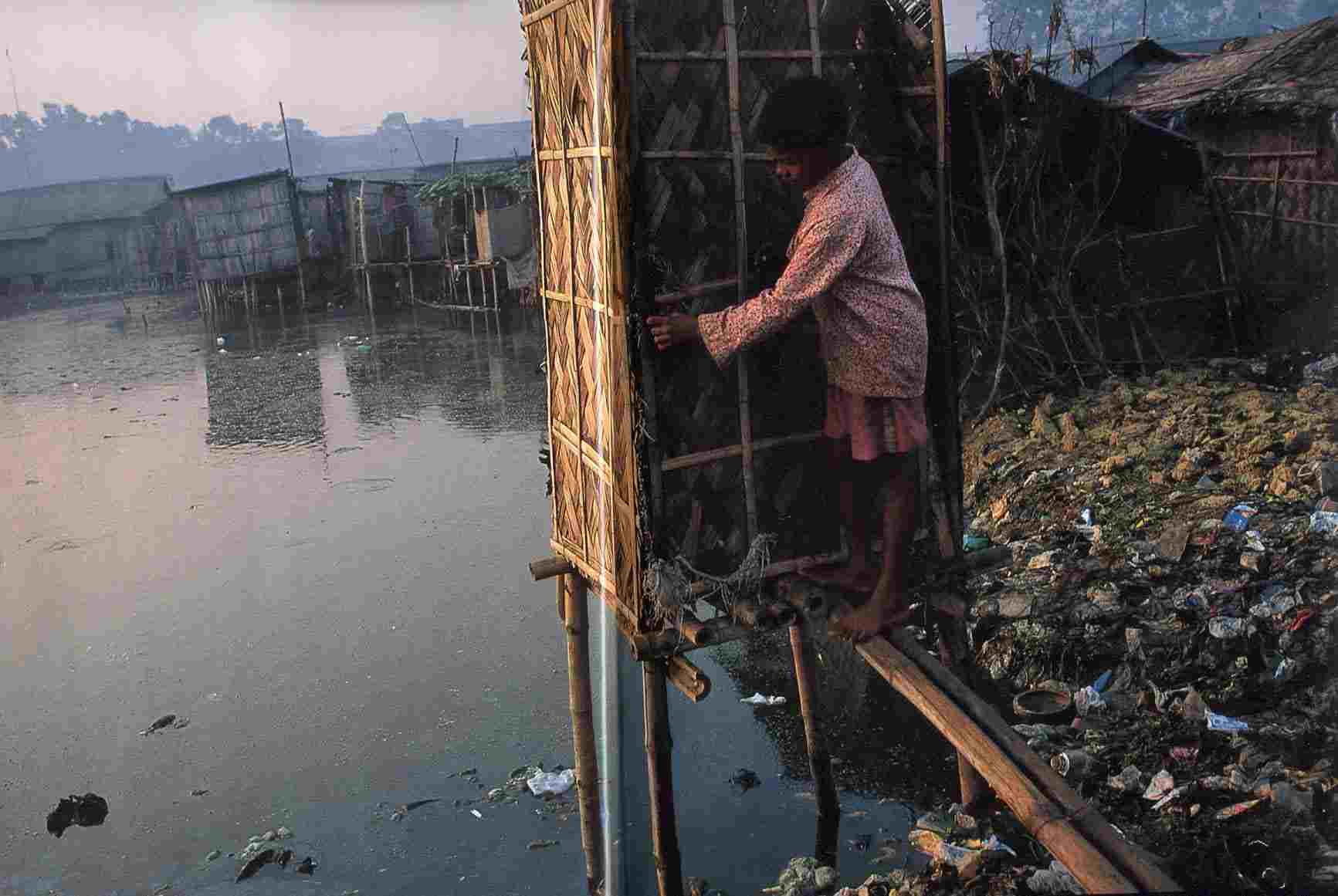
One main issue is sanitation problems, which can refer the fact that  “Poor sanitation, hygiene and unsafe water claim the lives of an estimated over 1.5 million children under the age of five every year” (WHO 2009). Additionally, 2.5 billion people live without the access to effective urine and feces disposal which is a leading cause of diarrheal disease (wateraid.org). Together, these two issues alone create a domino effect of problems. For example, a child experiencing diarrheal disease due to improper water or sanitation, may also miss school and will need an adult around to take care of them; this adult will then miss work and miss out on the pay for that day/s until the child gets better, leading to more issues. Poor water quality, personal, and domestic hygiene all contribute to the sanitary issue.
The Legislation that addresses this is bill S.1269 which is titled "A bill to provide for enhanced foodborne illness surveillance and food safety capacity, to establish regional food safety centers of excellence, and for other purposes." This bill introduces a way in which we can improve our health at a local level by diminishing sanitation problems.


Those affected most by this issue are those living in developing countries, but you can find sanitation problems just about anywhere, including here in America. Anywhere that there are large amounts of people with very poor sanitation problems will arise that can greatly reduce human health as well and lessen the quality of life. According to WHO, the main routes in which human health is affected by poor sanitation include polluted drinking water, contamination into the food chain, dirty areas that provide breeding grounds for insects such as flies whom spread disease, and environmental pollution that limits certain sources of food such as fish. 
THe Development Goal (MDG) target is to "reduce by half the proportion of people without access to basic sanitation by 2015." If this were to happen The gains would be that people wouldn't have as many problems with poor hygiene which leads to "loss of productivity, preventable health costs, low educational achievement, high morbidity and poor social development" (WHO). These situations happen in America as well but not as extreme in most areas; if bill S.1269 does pass the losses may include a small increase in taxes to ensure that we are able to provide better surveillance when it comes to preventing foodborne illness, and establish these regional safety centers. 


We know the severity of this issue, but the consequences of putting another bill in place that would ensure better food safety and sanitation would be the need for funding. At the moment, I can't seem to find any information on how this bill will be funded whether it be by a specific health organization or the government. For those most affected by the issue, it seems as if the benefits would weigh out the consequences; for society these benefits would equal lower rates of foodborne illness contributing to better quality of life overall.


I may have touched on some of the economic impacts previously, but if bill S.1269 were to pass, and more regional safety centers were opened as well as more food safety surveillance, more jobs would be created in health services! Our economy seems to be at an all time low, so creating jobs seems like a really good boost, as well as lessening foodborne illness outbreaks. Overall, this bill should pay itself off over time rather than be a burden. "For every $1 spent on sanitation, up to $9 is returned in reduced healthcare burden and increased productivity."


I mentioned social impacts previously, and how better sanitation creates a domino effect of better health, better quality of life, less disease, better productivity, etc. for all people. As mentioned earlier, it is possible that the funding could slightly effect taxes, but at the moment we have no idea what the costs would be. 


 The barriers to addressing better sanitation worldwide includes many variables. Better education and cleaner availability of resources are key. In America, we have to reach out to areas that have the poorest sanitation, and make sure that we are educating and making these resources available to lessen the cases of foodborne illness. 


We will need resources such as funding for buildings for these safety centers, as well as resources to pay workers at the new jobs that will be created. Resources that least burden the general public is the number one goal. Restructuring county buildings where food safety surveillance could be optimized could also be a less expensive route. 


The history of the sanitation issue has expanded with time itself; as we have become more educated, sanitation issues have lessened. In the state of Minnesota, I have found that many food safety workers are over-worked due to some multi-county centers with very few workers trying address way too many problems, therefore, it is more likely that some problems get overlooked or don't get the attention they need. In many rural communities, it appears as if nothing is being done to address this problem. We need more safety centers/workers if we want to prevent foodborne illness.


It is likely that most public health workers would definitely be for this bill, I for one would recommend this bill. We need to put our health first!


    Thursday, November 19, 2009

    Reflections: week 9 and 10

    The last two weeks have gone by extremely fast; I feel like this semester has just been flying by!
    Week 9 started with an introduction to advocacy in environmental health class; we got into random groups and each group presented one topic about understanding advocacy. We also learned how to use THOMAS to find a bill that would relate to our advocacy project choice.  This brought us into our first and main assignment of the advocacy project which was to chose a Healthy People 2010 goal and a bill that related to it. I chose the topic of reducing foodborne illness and poor sanitation due to my specific interest in environmental health. 
    This week was extremely packed for me, so my lifestyle change goal didn't go as well, and I felt like I was just getting behind, but all in all everything worked out after the week was over. 


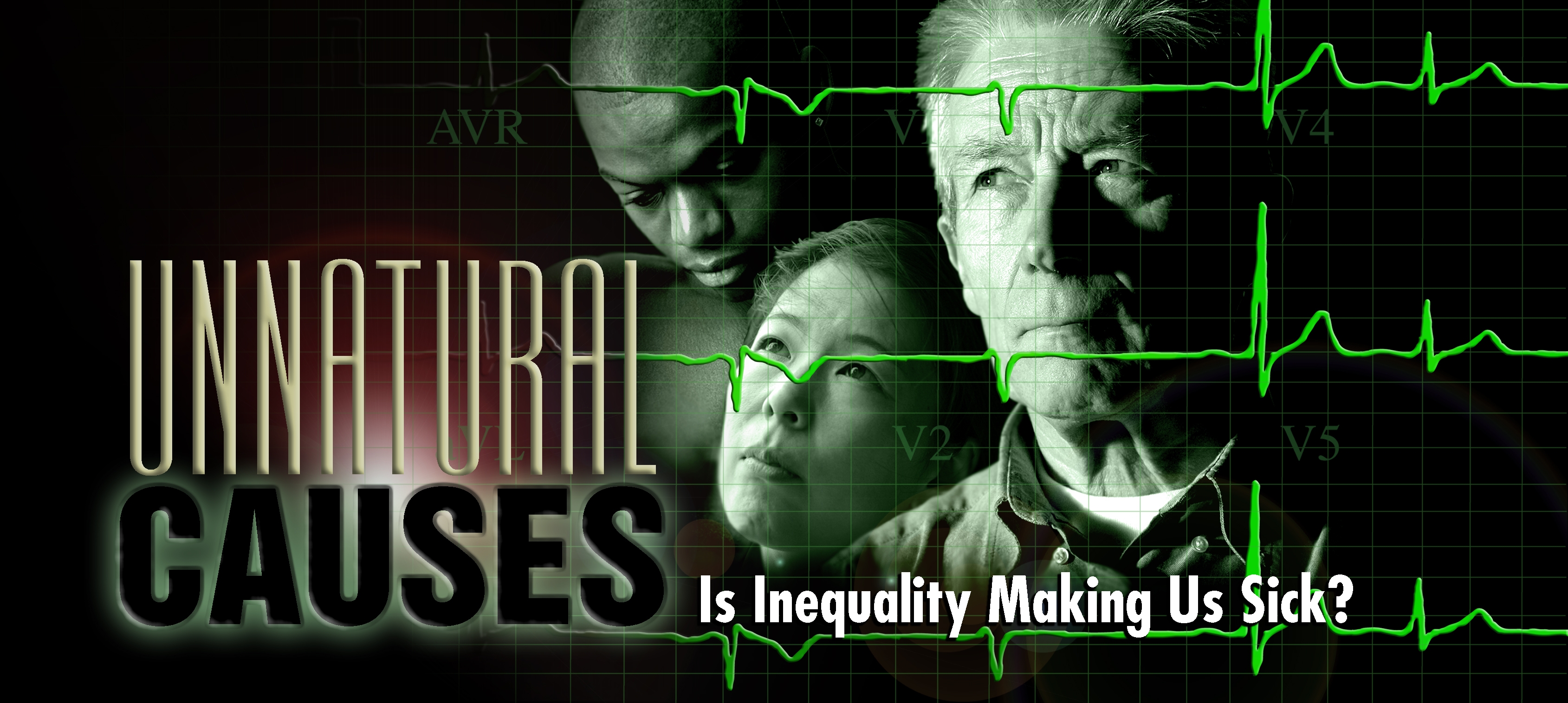
    Week 10 introduced a video in class on Monday called "unnatural causes" which documented the lives of many people who are barely making ends meet. It discussed the idea that health correlates with wealth; those who do not have as high of an income of much less of a chance living a healthy lifestyle when it comes to many variables such as healthy eating, less stress, less everyday problems, etc. It was an interesting video, but it really did make sense. Next, we got into groups again and discussed how to "understand an issue" relating to advocacy. 
    All in all, this week was much better than the last, I was able to catch up on everything, and my goal was on track as well. 


    See you all Monday!

    Tuesday, November 17, 2009

    Eco-Chic Lifestyle Change Week 7: Weekly Update

    Week 7 of my lifestyle change wasn't quite as obnoxious as the last. My goal is to not eat red meat, and eat less than 2 servings of other meats/ week. The week slowed down a bit, and I was actually able to spend a little more time cooking and preparing my meals.
    This week I DID actually achieve my smart goal, AND I was also able to cut way back on dairy and avoid it as much as possible. 


    Successes: I had more time to prepare healthier food for myself, and only had meat once this week! (had to make up for last week). I made a really good fresh vegetable stew and had a lot of leftovers! (pictured below, the potato of love that went into my stew!! I couldn't believe I found a heart potato, I had to take a picture.)


    Challenges: My friends and I like going on Perkins runs every once in awhile, and we allll have a big crush on the chicken tender melt, which was my weakness this week. It also had pepperjack cheese...but it was really good! and that was my one meat I allowed myself this week. ...so bad, but ooh so good!


    The feelings I have experienced this week, are slightly less stressful than last week. I didn't feel terrible about my choices this week, but I am hoping with Thanksgiving just around the corner, that I'll be able to keep myself from over-indulging. But I AM glad that turkey isn't a red meat! :)


    I learned that giving yourself a break is much easier if you plan ahead! It sounds weird, but when I planned ahead and made my soup, I didn't have to worry about what I was eating, and I had leftovers which are always nice! I may have talked about planning ahead before, but really, with anything, just simply writing out to-do lists gives you an idea ahead of time of what you will be dealing with during the week and then its much easier to plan around that. 


    I plan on keeping the same goal for next week, as well as the cutting down on dairy part. I have completely stopped buying milk and cheese which is something I never thought I'd be able to do.


    Sunday, November 15, 2009

    Share and Voice: Blog award-expressing inner health educator!


    Last week I received an award from Pam for my Coca-Cola Share and Voice post. My post was about making sure people know what Coca-Cola and big companies really do in other countries, and what they really get away with.


      Today, I came across Amanda's Share and Voice blog about UMD wasting paper, specifically, the HUGE stack of courses for spring semester, which as she mentioned can easily be found online. I definitely felt slightly agitated as well when I passed by this large stack near the student center, it's probably still there! I'm sure a good chunk of those will have to be thrown away or hopefully recycled. She definitely expressed her inner health educator when she reacted to seeing this "problem." Go check out Amanda's blog and see the huge stack for yourself!


     Award Instructions for the Award Winner(s)


    1. Leave a comment below so that I know you "picked up" the award.
    2. Within 1 week, create a Share and Voice post that says you've received the award and indicate who the award is from (be sure to hyperlink).
    3. Also indicate to whom you are going to pass on the award and why. Be sure to hyperlink the blogger (use main blog URL) and the blog title (use the specific URL for that blog post).
    4. Copy and paste these instructions at the bottom of your post.
    5. Publish the post.
    6. Visit each blogger you've awarded and leave a comment telling them they've won.
    7. Continue the process...

    Advocacy Project: Healthy People/THOMAS


    My focus for my advocacy project will be on reducing foodborne illness; I am especially interested in this topic because I plan on going into health inspecting/ environmental safety sanitarian eventually after I graduate. 


    1.The objective that I believe fits my interests the best is objective 8-29 which is to "Reduce the global burden of disease due to poor water quality, sanitation, and personal and domestic hygiene."


    2. Expanding on the objective, according to the progress quotient chart, this target has been met by 161% since 1990. Some emerging issues discussed in this focus area are the fact that clean water issues as well as lack of water in many countries further creates sanitary issues as well, for example, the deterioration of sewer and water systems.  This focus area shows an overall goal of 
    "improving the environmental health of people and their communities has positive social and economic benefits."


    3. Environmental Health Bill  S.1269  


      Title: A bill to provide for enhanced foodborne illness surveillance and food safety capacity, to establish regional food safety centers of excellence, and for other purposes.
      Sponsor: Senator Amy Klobuchar, [MN] (introduced 6/16/2009) 2 Cosponsors
      Latest Major Action: 6/16/2009 Referred to Senate committee. Status: Read twice and referred to the Committee on Health, Education, Labor, and Pensions. 


    .
    Recommendation: Vote Yes for Environmental Health Bill  S.1269  
    My Political Representative: Senator Amy Klobuchar